Fish and Debris Exclusion Screens Improve Pump Station Efficiencies
Modern Fish Screens protect aquatic ecosystems while improving the reliability, efficiency and long-term performance of irrigation pump station infrastructure.
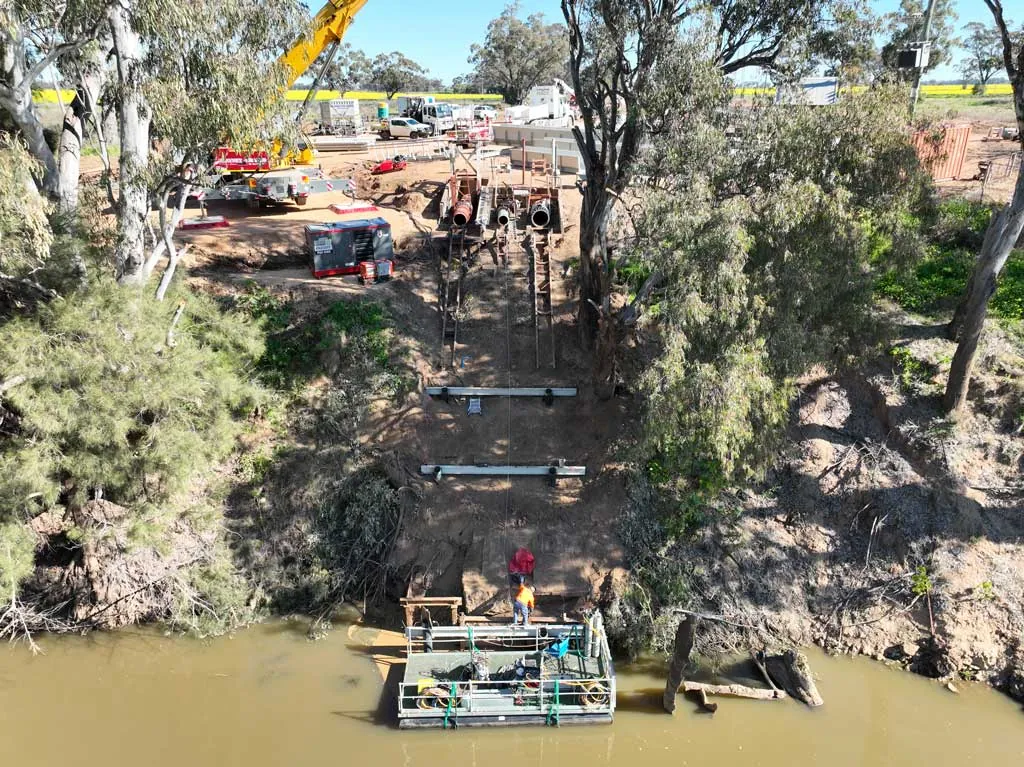
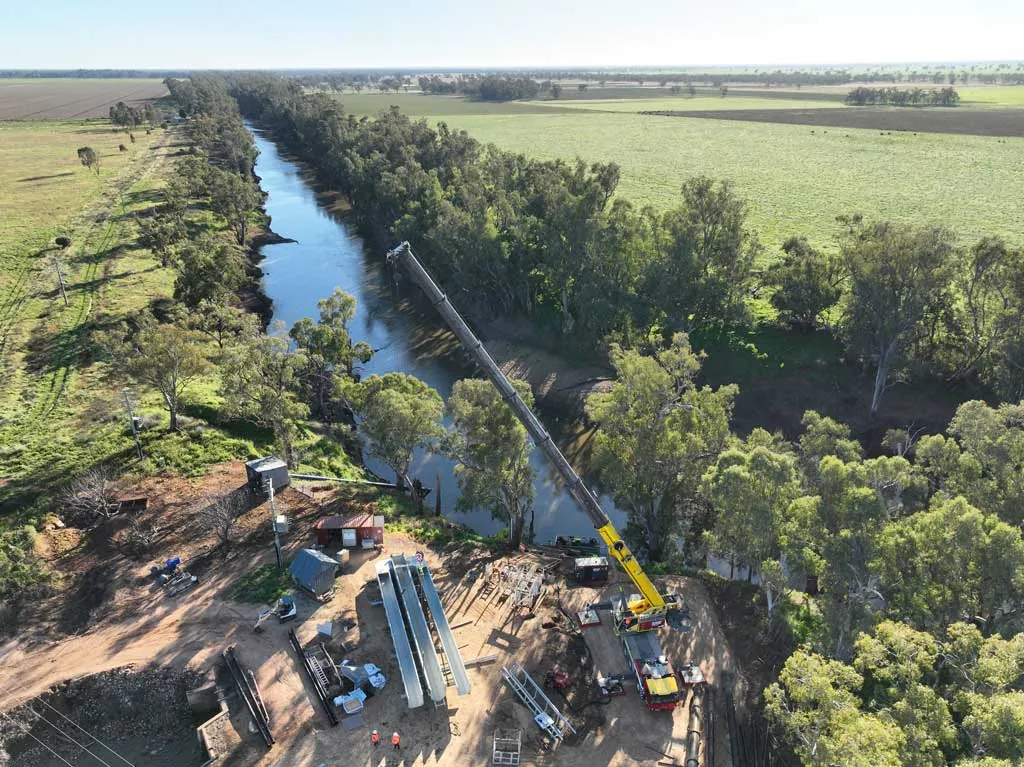
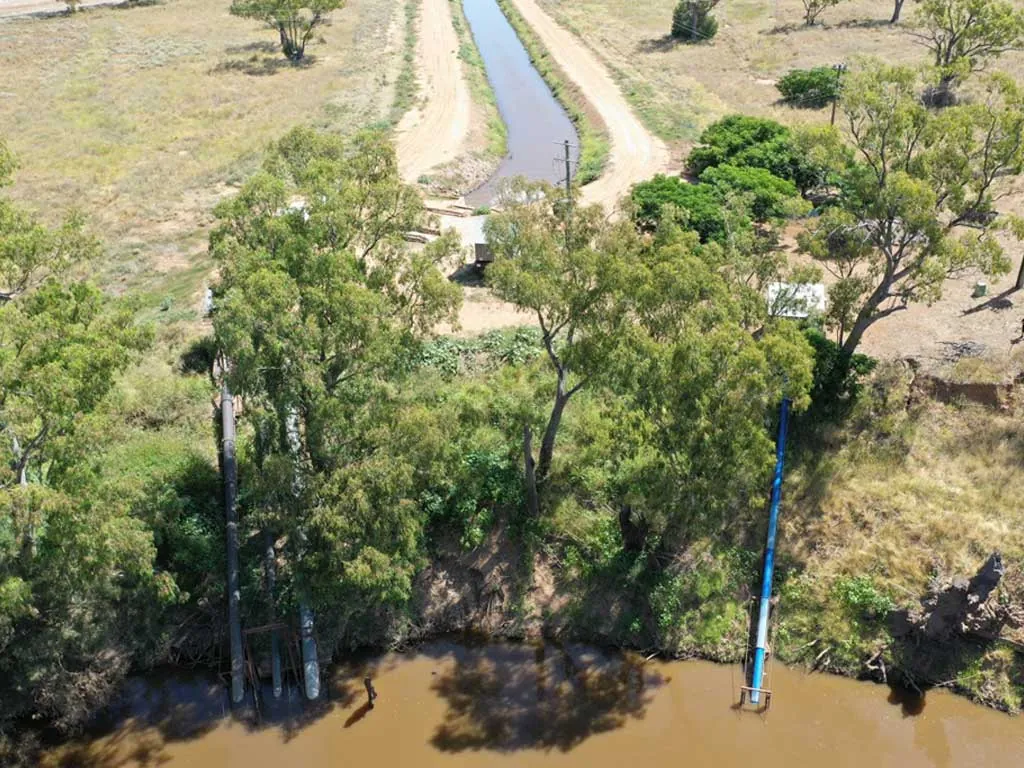
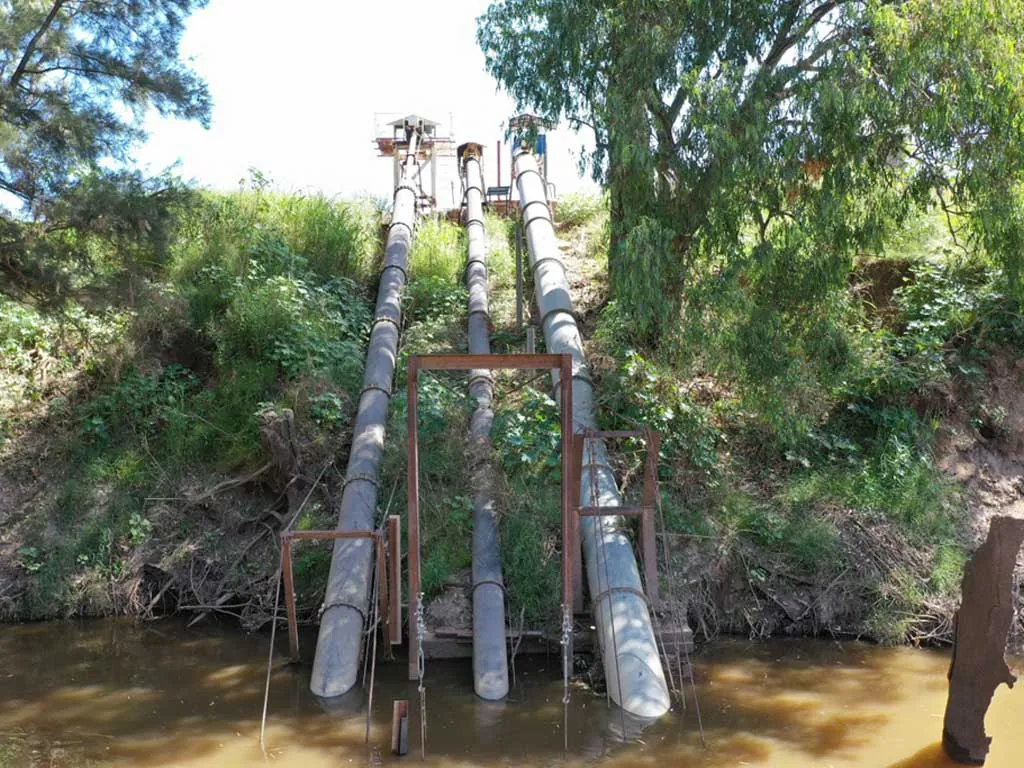
What makes this project unique is its custom-engineered screening solution, developed to retro-fit the existing three-pump extraction system, where AWMA identified a more economical and efficient alternative to traditional screening arrangements.
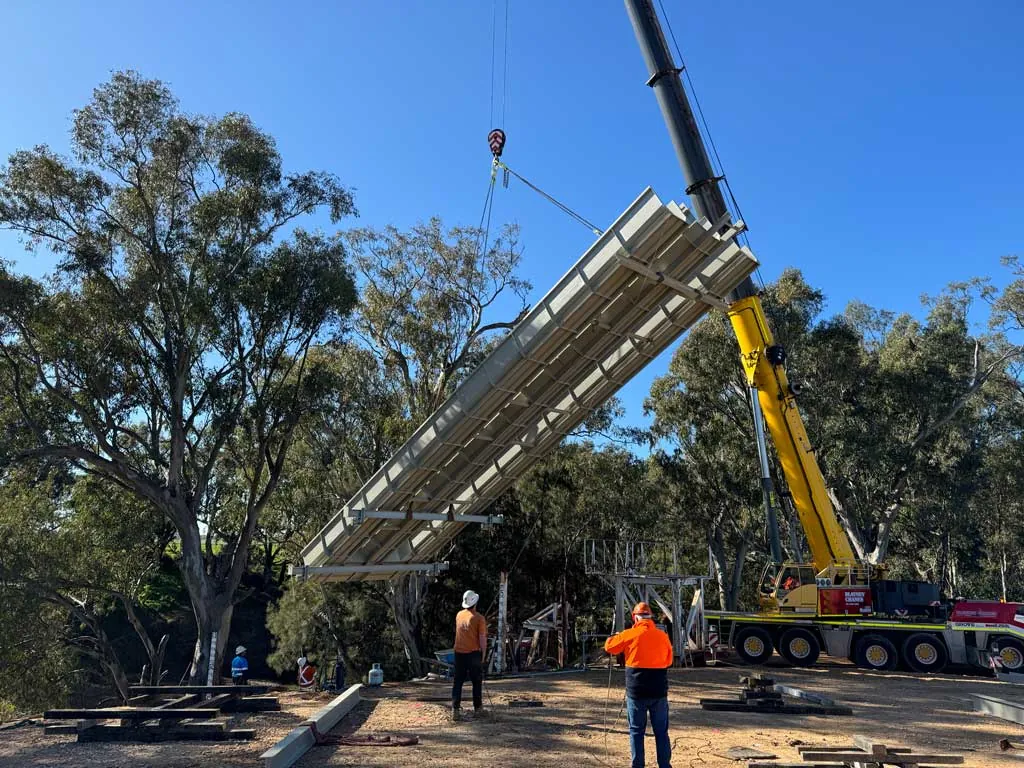
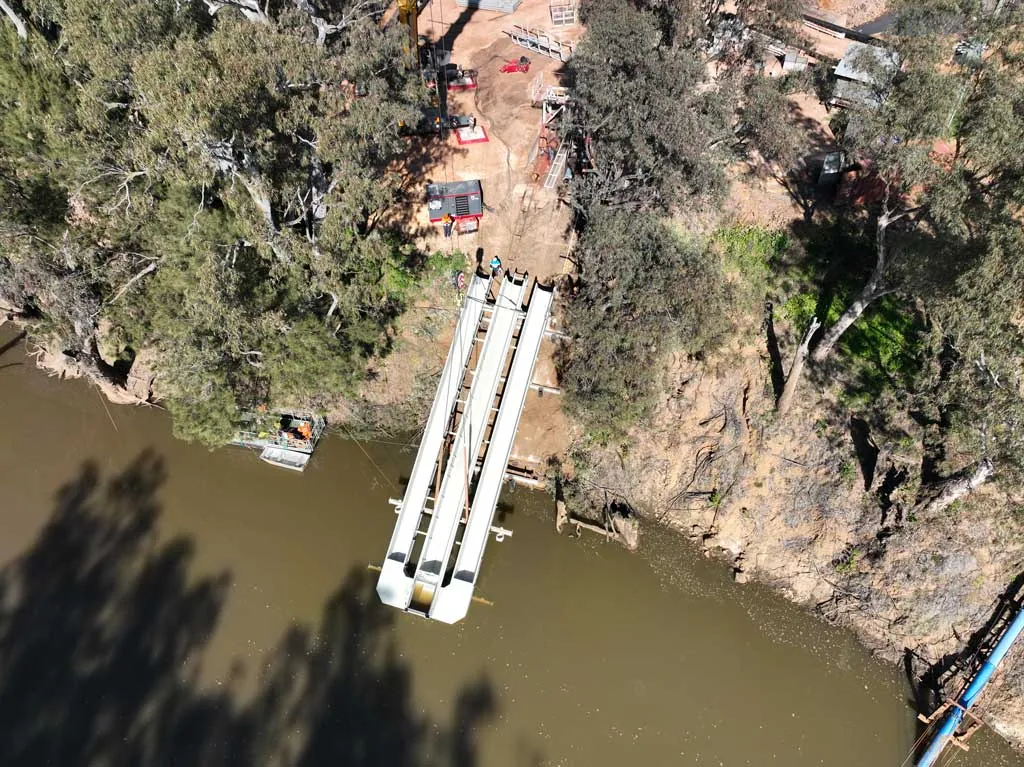
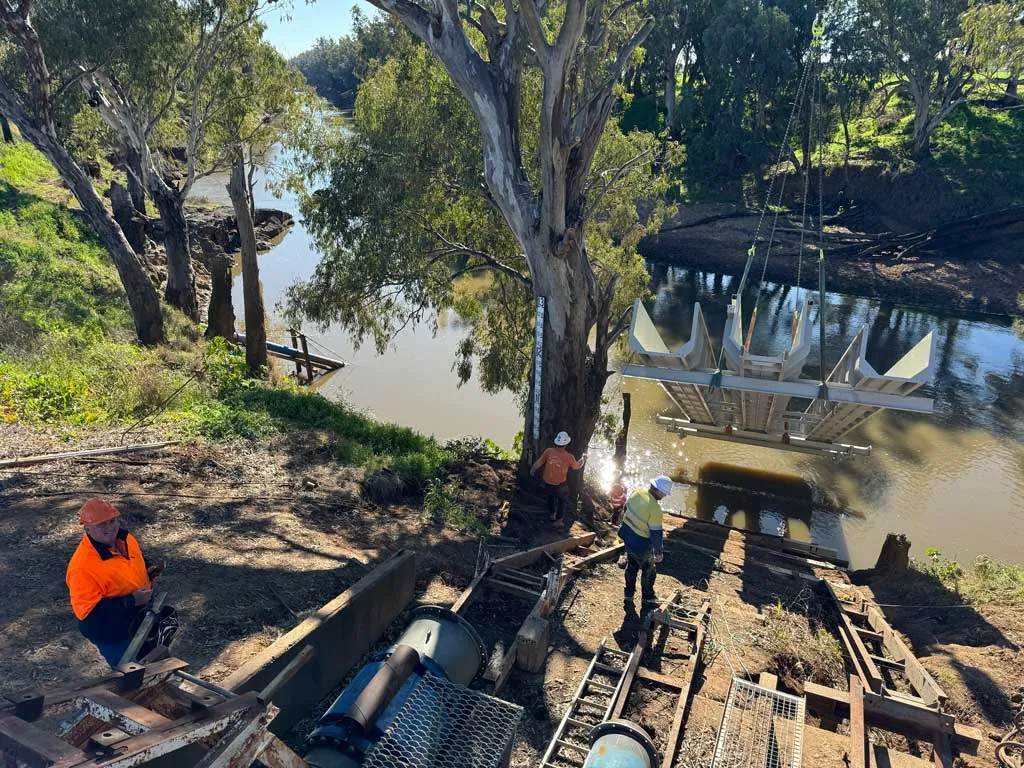
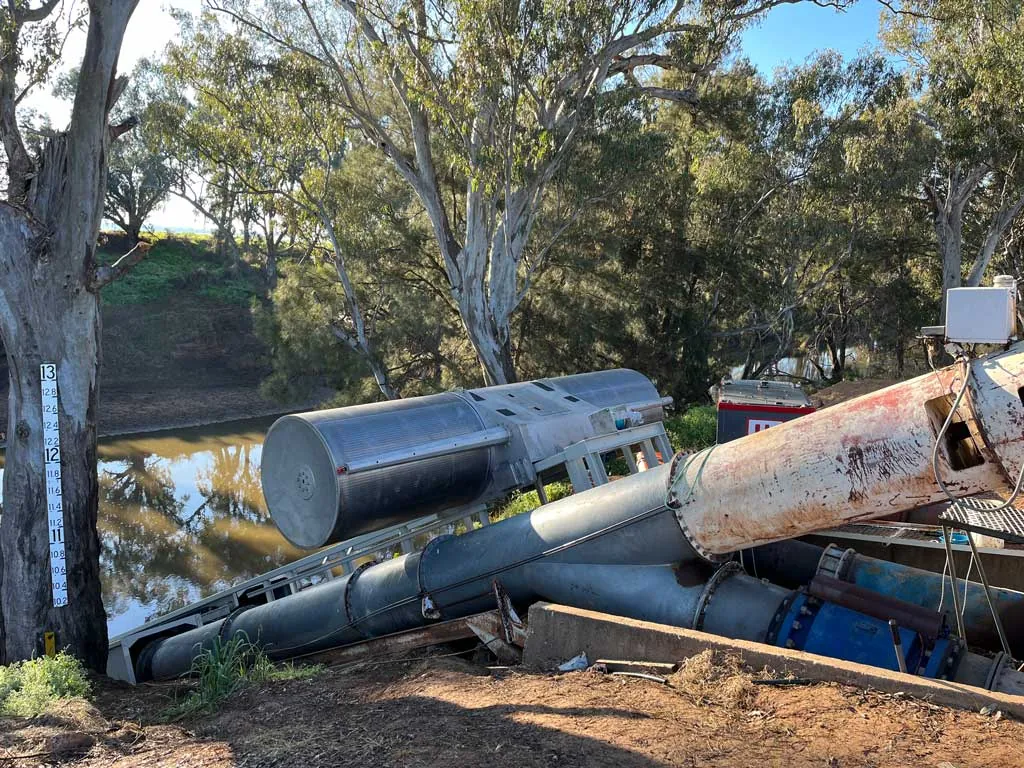
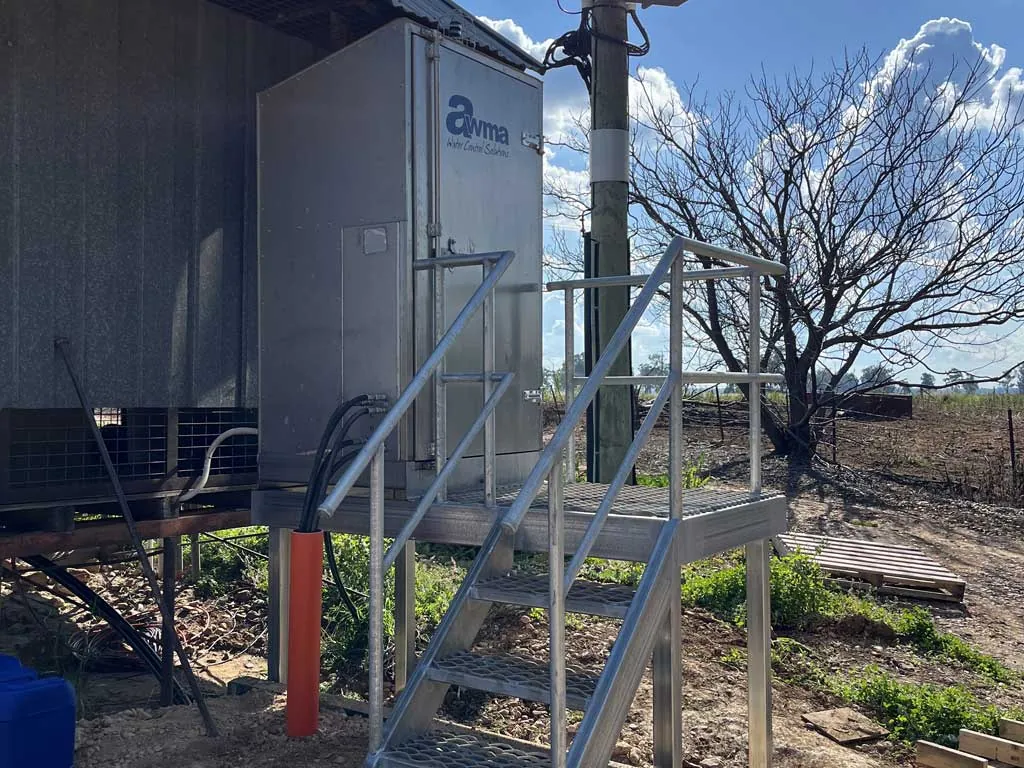
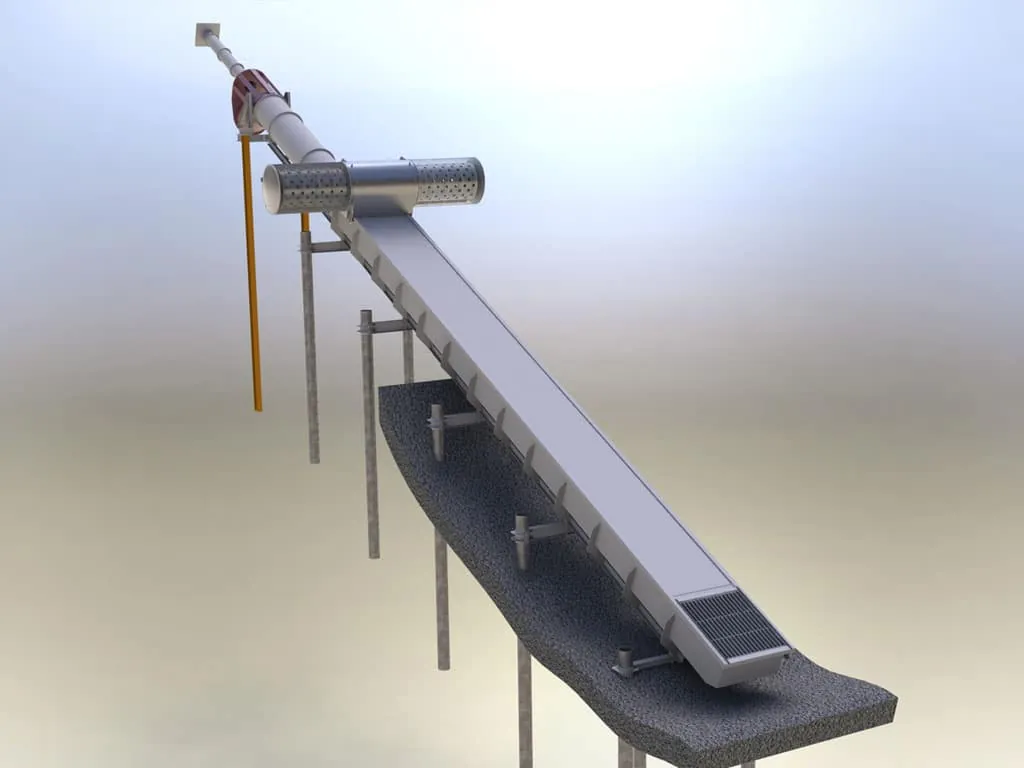
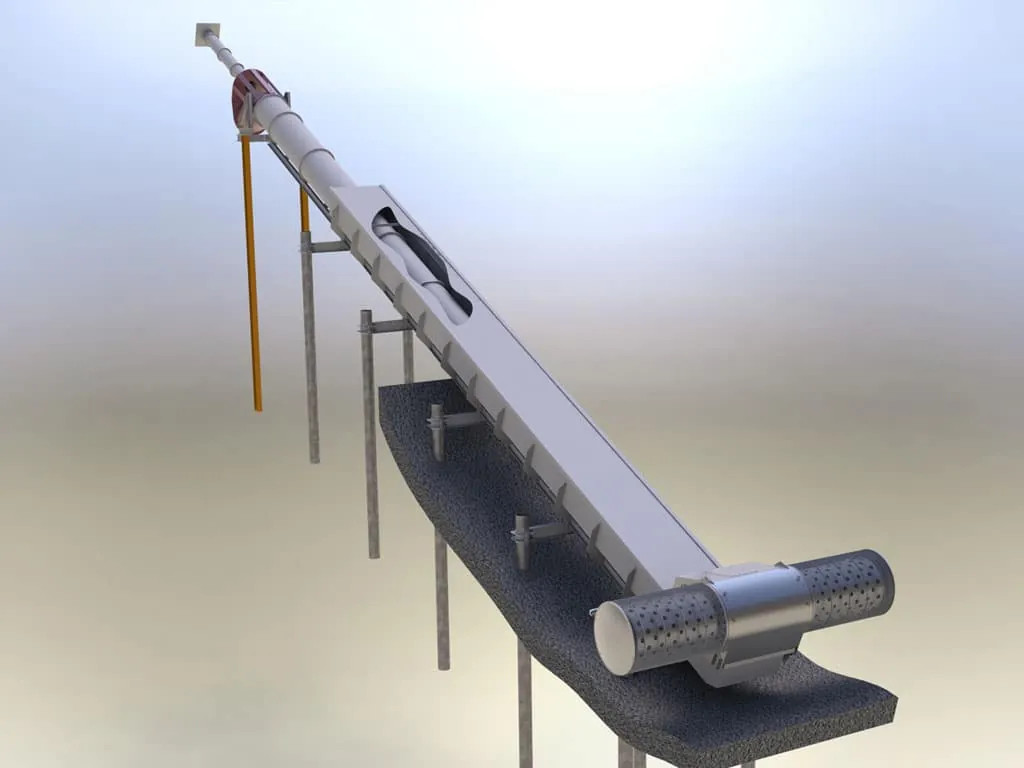
The installation features a custom AWMA T-Screen measuring 1.35m x 2.03m, integrated with an innovative triple retrieval system and a centralised Hydraulic Power Unit (HPU) housed within a raised control cabinet. The automated system enables the safe extraction of water from a natural waterway while preventing fish, debris and organic material from entering the pumping system.
The control cabinet houses the automation system that manages the screen's automated self-cleaning capability, which can be programmed by the asset owner to suit seasonal and site-specific debris loads. During operation, internal and external brush assemblies clean both sides of the wedge wire screen surface, ensuring the screening medium remains clear and operating at peak efficiency. Requiring as little as one minute of operation per day, the self-cleaning system minimises maintenance requirements while delivering reliable, high-quality water flows to the pumping station.
By combining advanced fish protection technology with innovative intake engineering, the project delivers compliance with NSW DPI Fish Protection Guidelines while providing significant operational, maintenance and whole-of-life asset benefits.
Engineering Innovation
The standout feature of this project was the development of a custom fish screening solution capable of servicing all three existing pumps through a single screening structure.
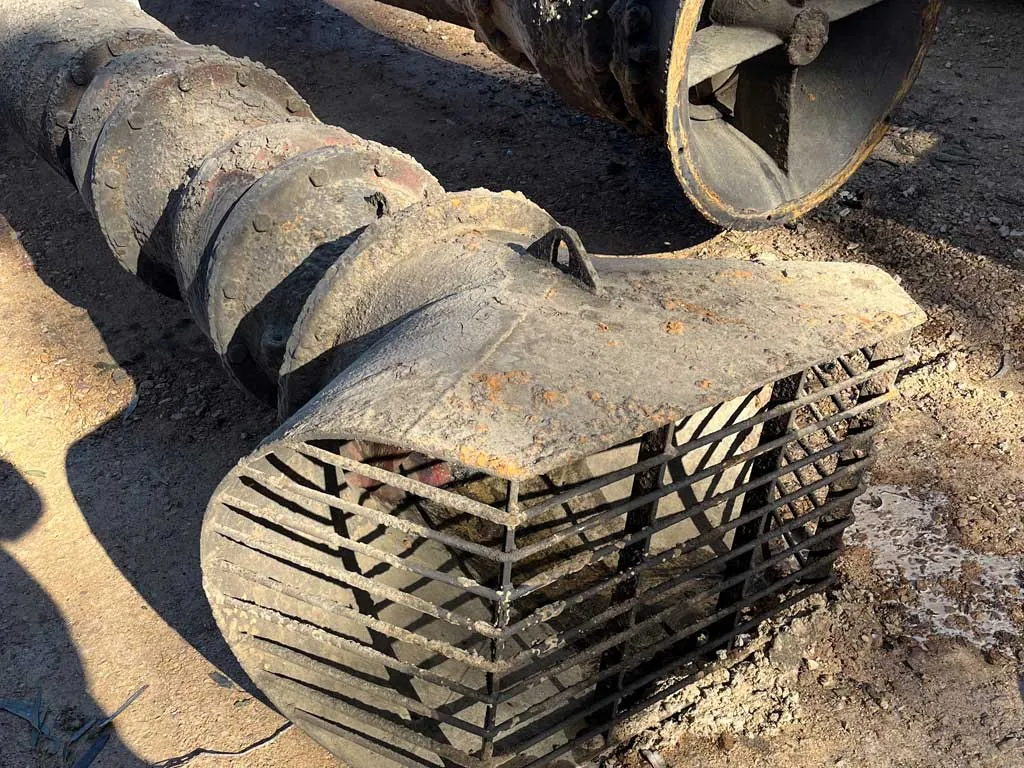
Unlike alternative fish screening installations, where each pump is typically fitted with its own fish screen, the close proximity of the existing pumps and their combined extraction flow rate made a conventional approach impractical. Retrofitting three individual screens would have significantly increased complexity, footprint and infrastructure requirements within the waterway.
To overcome these constraints, AWMA designed a custom large-scale T-Screen and innovative triple retrieval system capable of accommodating the combined flow demand of all three pumps while maintaining fish-friendly approach velocities and regulatory compliance. The solution was specifically engineered to integrate with the existing pumping station infrastructure, avoiding the need for major modifications while delivering modern environmental performance standards.
By consolidating three pump intakes into a single fish screen and retrieval system, AWMA eliminated the need for three separate screening installations, retrieval mechanisms and associated control equipment. This innovative approach significantly reduced capital costs, minimised infrastructure requirements within the waterway, simplified ongoing maintenance and delivered a more economical whole-of-life solution for the asset owner.
Key Benefits
The custom pump intake configuration delivers:
- Fish-friendly water extraction across all three pumps
-
Programmable self-cleaning cycle maximises screen efficiency and reliability
- Compliance with NSW DPI Fish Protection Guidelines
- Reduced intake approach velocities of less than 0.1m/s
- Prevention of fish, debris and organic material ingress
- Eliminated biofouling
- Improved hydraulic performance at pump inlets
- Simplified inspection, operation and maintenance
- Lower whole-of-life maintenance and operating costs
- Enhanced reliability under varying river conditions
- Long-term protection of both environmental and water extraction assets
Project Outcome
This project demonstrates AWMA's ability to solve complex retrofit challenges through customised engineering and innovation.
By developing a single fish screen and custom triple retrieval system capable of servicing an existing three-pump extraction station, AWMA delivered a solution that would not have been achievable using conventional fish screening methods. The project successfully balances environmental protection, operational efficiency and long-term asset resilience, transforming an existing pumping station into a modern, fish-friendly water extraction system designed to perform reliably for decades to come.
The result is a practical and sustainable solution that protects aquatic life, improves infrastructure performance and sets a new benchmark for retrofitting fish-friendly screening technology to multi-pump water extraction assets.